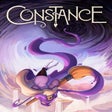
Constance review: brush-wielding Metroidvania exploring creative burnout journey
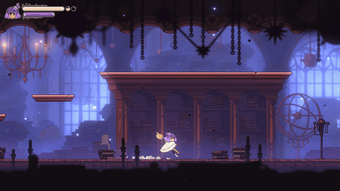
Constance from btf (bildundtonfabrik) is a 2D action-adventure Metroidvania that drops a brush-wielding artist into a decaying inner world to confront creative burnout and declining mental health. Players navigate interconnected areas using movement and combat to progress, while exploration reveals personal history and playable flashbacks. The title pairs hand-crafted animation with ability customization and map tools. It targets Metroidvania fans who appreciate narrative-driven experiences, precise traversal, and controller-based play.
What kind of game is Constance?
In this game, the emphasis is on moment-to-moment movement and uncovering a personal narrative. The structure is Metroidvania: linked biomes, unlockable traversal, and exploration that reveals playable flashbacks. The player’s motivation is investigative and restorative, moving through environments that represent aspects of the protagonist’s psyche and slowly exposing the causes of her decline through environmental storytelling and collectible journal entries.
Does it focus on single-player narrative exploration?
In this game, design choices push toward a solo, narrative-focused session rather than social play. Progression depends on finding "Inspirations" and sketching in a journal to enhance abilities, which supports personalised builds and backtracking. The mechanics reward individual mastery: speed, timing, and route planning matter more than cooperative tactics. Recommended controller support underscores the intention for a single-player, precision-driven experience.
What does the game look and sound like?
In this game, visual presentation is a central signal of tone. Every frame and environment is hand-drawn, producing vibrant but decaying visuals that mirror the protagonist’s state. The aesthetic leans toward painterly motion rather than pixel fidelity, and the soundscape complements the atmosphere with emotionally charged cues that underline scenes. Interface touches include a mini-map overlay and a camera tool to pin screenshots to the map for navigation and documentation.
Is it hard to get started and how does progression feel?
In this game, onboarding is compact and oriented to movement practice rather than lengthy tutorials. The core loop emphasizes "flow-state" platforming and precision brush combat; players unlock and customise techniques through exploration. Typical completion sits between six and ten hours depending on side objectives, so progression feels concise. Controller input is suggested for best responsiveness and the game rewards players who prioritise momentum and positional awareness.
A focused, artistically serious Metroidvania for players who value crafted movement
Constance is a thoughtful choice for players who enjoy skillful traversal paired with introspective storytelling. Its emphasis on confronting themes of burnout requires readiness for emotionally charged material. The game suits those seeking a compact, artistically driven Metroidvania experience and rewards players who invest in mastering its movement and combat systems.